
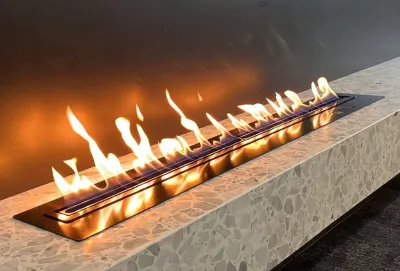
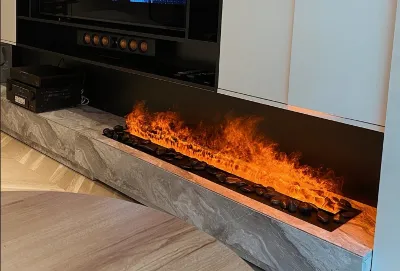

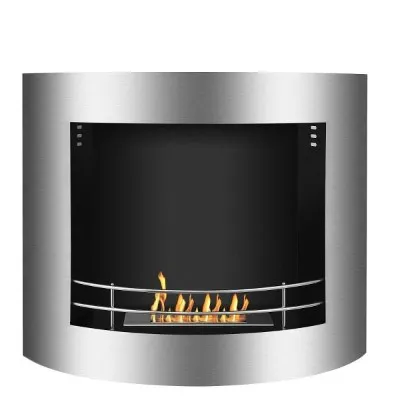
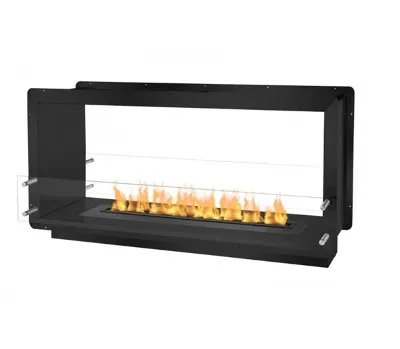
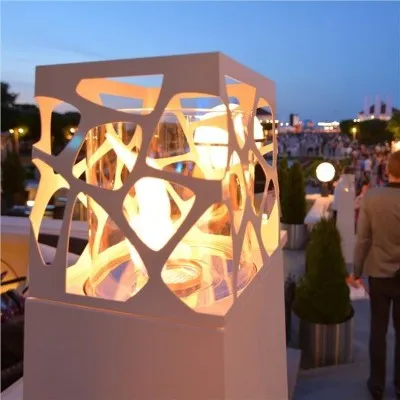


Fireplaces, a traditional heating method, have been around for centuries. With the development of modern technology, fireplace design and functionality have greatly improved, making them suitable not only for localized heating but also for whole-house heating. This article will explore in detail the principles of fireplace heating, methods for achieving whole-house heating, and their advantages and disadvantages.
1. The Basic Principles of Fireplace Heating
The basic principle of fireplace heating is to generate heat and dissipate it into the interior space by burning fuels such as wood, coal, natural gas, or electricity. Modern fireplaces are generally categorized into the following types:
1. Traditional wood-burning fireplaces: These generate heat directly by burning wood. These fireplaces typically require a chimney to vent the resulting smoke.
2. Gas fireplaces: These use natural gas or propane as fuel, generating heat by burning gas. Gas fireplaces are typically equipped with automatic ignition systems and temperature controls.
3. Electric fireplaces: Electric energy heats a metal element, which then uses a fan to blow heated air into the room. Electric fireplaces do not require a chimney and are relatively simple to install.
4. Ethanol fireplaces: These use bioethanol fuel, which produces no smoke and therefore does not require a chimney.
II. Methods of Using a Fireplace for Whole-House Heating
To achieve whole-house heating, a fireplace requires some auxiliary systems to distribute heat more evenly throughout the living space. Here are a few common methods:
1. Hot Air Circulation System
A hot air circulation system uses fans and ducting to distribute the heated air from the fireplace to each room in the house. This system typically includes the following components:
• Fan: Installed near the fireplace, it draws the heated air into the ductwork.
• Ducting: Connected to vents in each room, it distributes the heated air.
• Vents: Installed on the walls or floors of each room, they allow the heated air to enter.
The advantage of this system is that it can quickly heat the entire house, but the disadvantages are that it's complex to install and can be noisy.
2. Water Circulation System
A water circulation system heats water and uses a pump to distribute the heated water to radiators or floor heating pipes throughout the house. This system typically includes the following components:
• Hot water boiler: Installed inside or near the fireplace, it heats the water.
• Water pump: Distributes the heated water to each room.
• Radiators or floor heating pipes: Installed in each room to release heat.
Hydraulic systems have the advantages of even heat distribution and quiet operation, but installation costs are higher.
3. Radiant Heating
Radiant heating systems use the heat generated by the fireplace to directly heat the walls, floors, and ceiling of a house, then transfer the heat to objects and air within the room through radiation. This system typically does not require additional fans or ducting, making installation relatively simple.
4. Hybrid Heating Systems
Hybrid heating systems combine several of the above methods to provide optimal heating for different conditions. For example, a heated air system might be used in the main living areas, while a hydronic system might be used in the bedrooms and bathrooms.
III. Advantages and Disadvantages of Fireplace Heating
1. Advantages
• Energy and Environmental Protection: Modern fireplaces are generally designed to be more efficient, reducing fuel consumption and emissions. Some fireplaces use renewable fuels such as biomass pellets or ethanol, further reducing environmental impact.
• Versatility: Fireplaces can be used not only for heating but also as a decorative centerpiece, enhancing the home's aesthetic value.
• High Comfort: Fireplace heating typically provides a gentler warmth, especially radiant heating, which can provide a more even room temperature.
2. Disadvantages
• High Installation Cost: Installation costs can be high, especially for homes that require modifications to existing structures to install a chimney or ductwork.
• High Maintenance: Traditional wood-burning fireplaces require regular chimney and ash cleaning, while gas fireplaces require regular inspections of the gas connection and combustion system.
• Uneven Heat Distribution: Without a supplemental system, a fireplace typically only provides localized heat and struggles to evenly heat the entire house.
4. Choosing the Right Fireplace Heating System?
When choosing a fireplace heating system, consider the following factors:
1. House Structure: Different house structures have different requirements for fireplace installation and heat distribution. Consider the layout and existing heating system.
2. Budget: The cost of a fireplace and its supplemental systems varies widely, so choose the right option based on your budget.
3. Fuel Type: Choose the appropriate fuel type based on local fuel availability and price.
4. Environmental Impact: Consider the fireplace's emissions and energy efficiency, choosing a system with a lower environmental impact.
5. Personal Preference: Some people may prefer the ambiance of a traditional wood-burning fireplace, while others may prefer the convenience of a modern gas or electric fireplace.
V. Future Trends in Fireplace Heating
With technological advancements and growing environmental awareness, fireplace heating systems are evolving. Here are some possible future trends:
1. Smart Control Systems: Future fireplaces may be equipped with smart control systems that can be remotely controlled and monitored via mobile phones or voice assistants.
2. More Efficient Fuels: Researchers are developing more efficient and environmentally friendly fuels, such as new biomass pellets and synthetic gas.
3. Renewable Energy Integration: Future fireplaces may be integrated with solar or geothermal systems to further reduce fossil fuel use.
4. Modular Design: Modular designs can make fireplaces easier to install and maintain, while providing greater flexibility to accommodate different home designs.
Fireplace heating is an ancient yet modern heating method that, when combined with modern technology, can achieve whole-home heating. Choosing the right fireplace heating system requires considering factors such as the structure of your home, your budget, the type of fuel you use, and your personal preferences. As technology continues to advance, fireplace heating systems will become more efficient, environmentally friendly, and intelligent, providing users with more comfortable and sustainable heating solutions.