
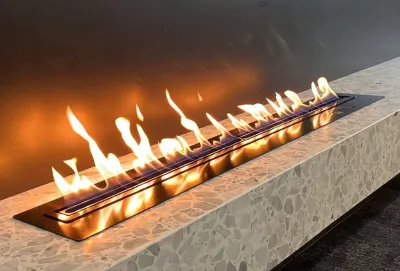
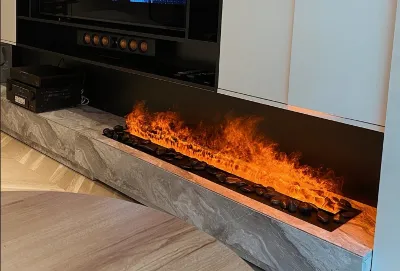

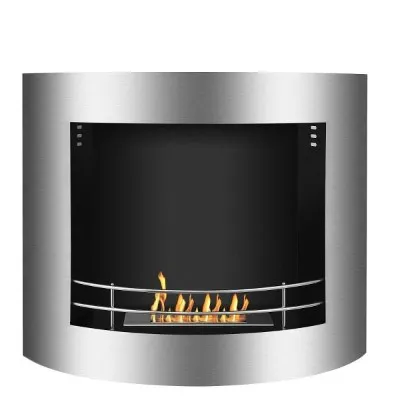
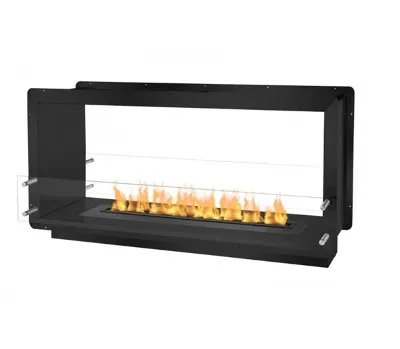
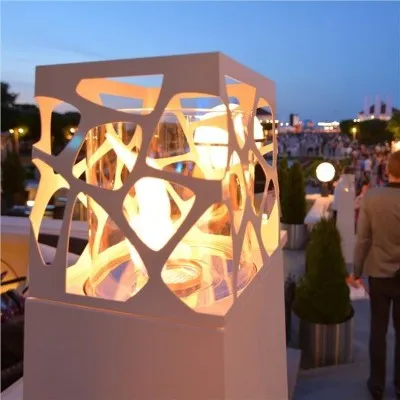
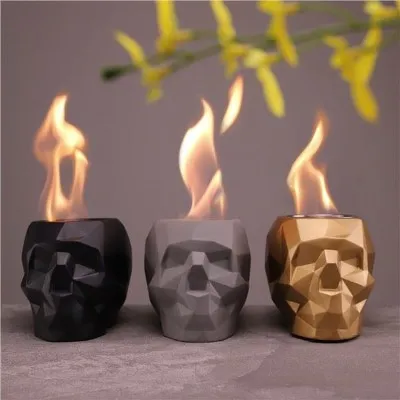

Many people want to buy alcohol fireplaces, but they are worried about whether it will have safety hazards. Let's take a closer look at its internal structure today. First of all, we need to know what it burns on.
Alcohol fireplaces mainly generate flames and heat by burning alcohol. The alcohol mentioned here is usually ethyl alcohol or isopropyl alcohol. Both alcohols are flammable liquids that can evaporate into gas when heated, and then react with oxygen to produce flames.
What is produced after ethanol burns, and is it harmful to the body?
Mainly carbon dioxide and water vapor are produced, and these two products are relatively safe under normal conditions. However, the following points need to be noted:
- Carbon dioxide emissions: Carbon dioxide is released during combustion, especially in enclosed spaces. If ventilation is poor, carbon dioxide may accumulate at high concentrations, resulting in a decrease in air quality. Therefore, when using an alcohol fireplace, ensure good air circulation, especially in a confined space. Be extra careful.
- Water vapor emissions: Burning alcohol also produces water vapor. Although water vapor usually does not cause direct harm to the human body, it may cause humidity to rise under extreme conditions, causing some comfort problems, such as damp air, walls and furniture may be damp.
- Carbon monoxide danger: In general, the concentration of carbon monoxide produced by alcohol combustion is very low and usually does not cause danger. However, if the combustion is incomplete or there are abnormal conditions, carbon monoxide may be produced, which is a colorless, odorless but toxic gas. Therefore, the normal use and maintenance of the alcohol fireplace is very important.
Secondly, the alcohol fireplace will be equipped with a power socket. During use, you need to pay attention to the following possible safety hazards:
- Power overload: If the power socket connected to the fireplace cannot withstand the power demand of the fireplace, it may cause circuit overload and increase the risk of fire. Especially if other high-power electrical appliances such as air conditioners and electric water heaters are also connected to the same socket, the risk is greater.
- Socket aging: After long-term use, the socket may become aged, worn or loose, resulting in poor contact or short circuit, increasing the risk of electric shock and fire.
- Power cord safety issues: If the power cord is damaged or aged, it may cause leakage or short circuit, increasing the risk of electric shock and fire. Especially if the power cord is stepped on, squeezed or pulled excessively, problems are more likely to occur.
- Unqualified sockets: If the installed socket does not meet safety standards or is not certified, there may be safety hazards such as poor electrical contact and insufficient insulation.
To reduce the safety risks of alcohol fireplaces, it is recommended to take the following measures:
- Make sure the power socket to which the fireplace is connected meets local safety standards and is installed by professionals.
- Regularly check the power socket, power cord and the fireplace itself to ensure that there is no obvious wear, aging or damage.
- Avoid connecting the fireplace to an already overloaded socket and ensure that the circuit load is balanced.
- Avoid using power strips or extension cords for long periods of time, and try to connect directly to the wall socket.
- If any safety hazards are found, stop using the fireplace immediately and ask a professional to repair or replace it.
In general, alcohol fireplaces in normal use are relatively safe under well-ventilated conditions. However, to minimize potential dangers, users should follow the manufacturer's instructions for use to ensure that the equipment is operating normally and maintain good ventilation. If it is in a confined space or used for a long time, it is even more important to pay attention to ventilation.