
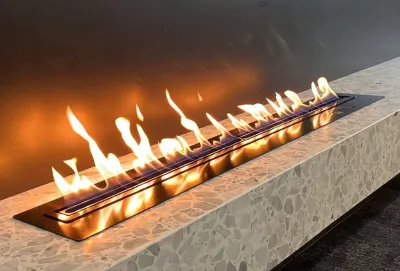
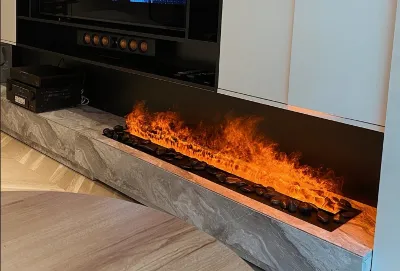

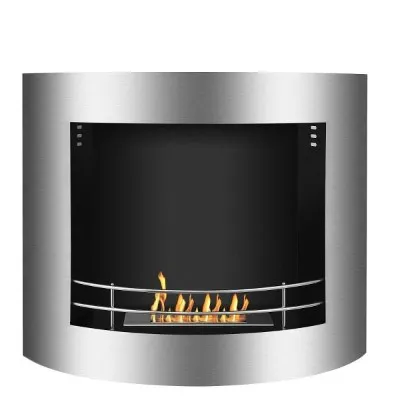
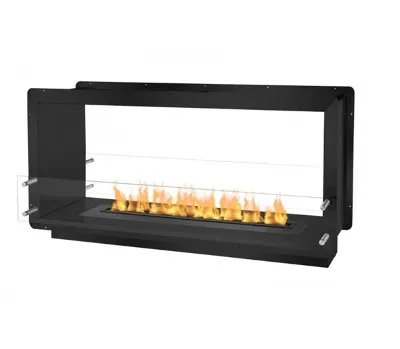
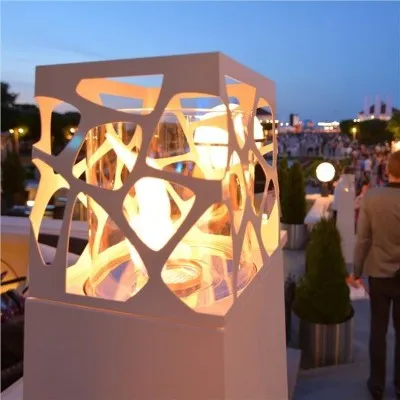


Bioethanol fireplaces have become a popular choice for modern interiors-providing realistic flames without the need for chimneys, flues, or gas connections. However, proper installation and a suitable environment are crucial to ensure safety and optimal performance. Here are key environmental requirements to consider before installing a bioethanol fireplace.
1. Room Size and Ventilation
A suitable room environment is crucial for safe combustion.
Recommended Space: A minimum room volume of 20-25 cubic meters is recommended for small burners, while larger spaces are required for multiple burners.
Ventilation: Ensure adequate air circulation-this can be achieved through natural ventilation (windows, vents) or mechanical ventilation systems.
Avoid completely sealed rooms.
Maintain a constant supply of fresh air to prevent carbon dioxide accumulation.
Importance: Ethanol combustion consumes oxygen; good ventilation ensures complete combustion and a cleaner flame.
2. Temperature and Humidity Conditions
Ethanol fireplaces operate best at normal room temperatures (10-35°C).
Avoid installation in high-humidity environments (e.g., bathrooms, unprotected outdoor patios).
Excessive moisture can corrode metal components and affect ignition performance.
3. Clearances and Safety Distances
To ensure safety and design harmony, follow these guidelines:
Maintain at least 1 meter of clearance between the fireplace and any flammable materials (e.g., curtains, furniture, wooden walls).
If installed in a built-in wall or cabinet, ensure adequate air circulation around the burner.
The surrounding structure should be constructed of non-flammable materials (e.g., stone, metal, concrete).
Avoid placing the unit in direct air conditioning drafts or fans, as these may interfere with the flame.
4. Surface and Installation Requirements
To ensure a secure installation, follow these guidelines:
Ensure the surface is flat, heat-resistant, and level.
Avoid installation on uneven, soft, or flammable surfaces.
Wall-mounted or built-in fireplaces should be secured using fire-resistant brackets and screws according to the manufacturer's specifications.
Before installation, be sure to confirm the weight capacity of the fireplace, especially if it has glass or marble walls.
5. Lighting and Accessibility
Consider practicality during installation:
Install the fireplace in a location with clear sightlines and easy access to refueling.
Allow adequate space to safely open the lid and pour ethanol to avoid spills.
Ensure fire extinguishing tools (such as the flame extinguisher cap or control handle) are easily accessible.
6. Electrical Components (for automatic burners)
If using a remote-controlled or smart ethanol burner:
Provide a stable power source (110-240V, depending on the model).
Protect the control system from direct moisture or heat.
Route the cables through insulated conduit to prevent insulation damage.
7. Compliance and Professional Installation
For commercial or public spaces (e.g., hotels, restaurants, showrooms):
Comply with local fire safety regulations.
Installation should be supervised or performed by a trained professional.
Confirm that the fireplace and burner meet CE, UL, or ISO safety certifications.
Compliance ensures your project is certified safe and protects your investment.